
|
|
United Kingdom
English
United States
English
Botswana
English
Brazil
Português
Canada
English
Canada
Français
Chile
Español
China
繁體中文
Costa Rica
Español
El Salvador
Español
Guatemala
Español
Honduras
Español
Hong Kong
English
Hong Kong
繁體中文
India
English
Kenya
English
Malawi
English
Mexico
Español
Namibia
English
Nicaragua
Español
Philippines
English
Rwanda
English
South Africa
English
Tanzania
English
Trinidad and Tobago
English
Uganda
English
Zambia
English
Zimbabwe
English
Looking Ahead: The Top Five Fraud Trends for 2026
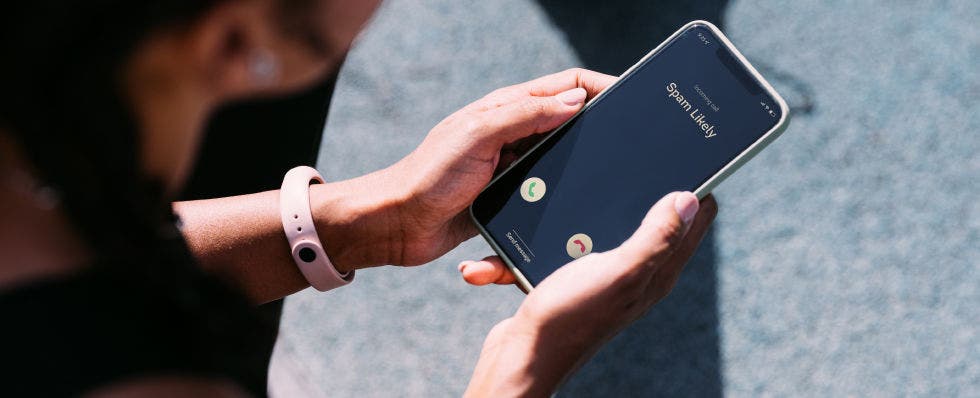
While starting a new year is naturally a time for reflection, it also pushes us to ponder the future. For those in the fraud fighting community, however, this consideration carries sharper urgency:
What will fraudsters do next?
Key findings from our recent Global Fraud Trends Report revealed UK businesses surveyed lost an average of 7.4% of their annual revenues to fraud in the past year — totaling an estimated £88 billion. The most common UK fraud types were scam/authorised fraud (23%), synthetic identities (23%) and account takeover (20%).1
We ran a poll among our UK and Europe Identity & Fraud team to identify fraud trends most likely to shape 2026. Drawing on our collective experience, client conversations and day-to-day exposure to emerging threats, several clear themes emerged.
Here are the top five fraud trends for 2026 as predicted by our team.
1. Synthetic identities: The Frankenstein of identity fraud
Synthetic identities continue to grow in scale, sophistication and impact — making them our number one fraud trend for 2026.
Synthetic identity fraud occurs when criminals combine real and fabricated information to create a new, convincing identity. Because these identities contain some legitimate data, they’re able to pass many traditional checks and blend into genuine customer profiles.
The typical pattern is slow and deliberate:
- Fraudsters apply for low-value products, such as mobile phone contracts, insurance policies or small loans
- Over time, they build up a positive credit history, cultivating trust with banks, phone companies or other businesses
- Once limits increase and larger products become available, the fraudster reaches a tipping point — defaulting on repayments and “busting out,” leaving businesses with significant losses
This threat is already front of mind across the fraud market. According to our research, 98% of UK fraud leaders expressed concerned about the impact of synthetic identities on their portfolios — a statistic that highlights just how critical and pressing this issue has become.
Did you know?
Our research shows that as many as 5 million UK consumers may actually be synthetic identity creations.2
Throughout Q4 2025, TransUnion has campaigned to raise awareness of synthetic identities. You can explore this further by reading the Synthetic Identity Fraud Guide.
2. AI-powered fraud: the good, the bad and the ugly
Artificial intelligence (AI) remains one of the most talked about technologies — and with good reason. While AI continues to enrich our lives and strengthen fraud detection, it’s also being actively exploited by criminals.
AI-driven scams
Fraudsters are increasingly using large language models (LLMs) to generate scam emails, texts and social media posts. These messages are:
- Localised for the victim
- Free from spelling or grammatical errors
- Highly believable
This makes phishing, smishing and scam campaigns far harder for consumers to spot. As a result, consumer education remains crucial — especially around recognising pressure tactics, false urgency and offers that seem too good to be true.
Voice and video cloning
AI-powered voice and video cloning hit headlines in 2024, particularly following high-profile cases involving executive impersonation. One of the most notable examples saw an employee at engineering firm transfer £20 million during a deepfake video scam3.
This threat doesn’t stop with organisations. Individuals are also increasingly targeted, often via cloned voices of family members or bank agents urging them to make immediate transfers to another account because their own account has been compromised or a relative is facing an emergency.
AI vs. identity verification
AI is also being used to:
- Create or alter documents
- Forge credentials
- Inject deepfakes into facial biometric or selfie checks
This makes robust document verification and biometric assurance essential. Certifications such as iBeta, alongside continuous algorithm improvement, are key weapons in staying ahead.
Did you know?
AU10TIX - a global leader in identity management and fraud intelligence – forecasts Presentation Spoofing to increase 100% in 2026: This includes any attempt to deceive a biometric or document verification system by presenting a fake or manipulated input (like a photo, mask, or deepfake) instead of a live, genuine person or authentic document.4
TransUnion Document Verification and Facial Biometrics solution is built to combat this type of threat and is iBeta certified, with continuously updated algorithms designed to detect inject or presentation attacks, deepfakes, and usage of masks, other images on a screen.
3. Authorised and first-party fraud: Getting away with it?
Authorised fraud (when an individual is tricked into initiating a fraudulent transaction) and first-party fraud (when a genuine customer deliberately deceives or abuses a business for financial gain) remain major challenges. According to Cifas, nearly half (48%) of adults they surveyed believe it’s ‘reasonable’ to commit first-party fraud.
Economic pressures, rising costs of living and increasingly permissive norms are driving behaviours, such as:
- Bonus abuse
- Chargeback abuse
- Deliberate non‑payment
- Misrepresentation during onboarding
The difficulty is most fraud prevention tools were designed to stop external criminals, not trusted customers committing fraud from within. This forces organisations to rethink their strategies.
Detecting first-party fraud requires:
- Deep data analysis
- Behavioural pattern recognition
- Increased use of AI to surface subtle inconsistencies
Did you know?
According to recent research from Cifas, nearly half (48%) of adults believe it is ‘reasonable’ to commit first party fraud.6
4. Fraud as a service: The underground economy
Fraudsters are exceptionally good collaborators, and recent high-profile breaches at household name car and retail brands demonstrate just how damaging coordinated attacks can be. Three different groups were behind the data breach, each playing their part — demonstrating how bad actors can combine capabilities to execute sophisticated, large-scale fraud.
Turning to the dark web, different elements of committing fraud are now readily available for purchase. This collaboration is powered by Fraud-as-a-Service (FaaS). In underground marketplaces, criminals can now buy:
- Scam kits
- AI tools
- Target lists
- Monetisation services
Fraud no longer requires deep technical expertise. Instead, full fraud “toolkits” are readily available, lowering the barrier to entry and enabling fraud at an industrial scale. Combined with anonymity and limited law enforcement reach, underground markets have become thriving ecosystems.
Did you know?
Visa and law enforcement reporting show over 400% growth in criminal marketplace listings referencing AI agents and automation between 2023 and 2025.6
5. Investment scams: The epic downfall
Closely linked to first-party and authorised fraud are investment scams, which deserve special attention due to their high financial and emotional impacts.
Victims are lured into fake (often crypto-related) investments by promises of exceptional returns. In many cases:
- Small initial investments appear to succeed
- Trust builds
- Victims are encouraged to invest significantly more
- Funds disappear once large amounts are transferred
The aftermath is devastating: Victims can lose pensions, inheritances and life savings — often suffering long-term, emotional trauma.
Did you know?
In 2024, £144.4 million was lost to investment scams7, according to the UK Finance Annual Fraud Report.
Looking ahead
Fraud will continue to escalate and blight lives in 2026, with little indication fraudsters are slowing down. The growing availability of sophisticated tools, combined with rapid advances in AI, means the fight against fraud will remain relentless.
For fraud fighters, staying ahead means:
- Constant vigilance
- Smarter use of data and analytics
- Strong collaboration across the identity and fraud ecosystem
- Continuous education for consumers
The threats may evolve — but so will our defences. Ensure your fraud & Identity strategies are supported with robust tools and insights visit TruValidate to find out more.
1 TransUnion H2 2025 Update: Global Fraud Trends Report
2 TransUnion Unmask Hidden Synthetic Identity Threats
3 The Guardian UK engineering firm Arup falls victim to £20m deepfake scam | Engineering
5 Cifas research reveals nearly half of UK adults feel first party fraud is acceptable | Cifas
6 Visa Payment Ecosystem Risk & Control – Biannual Threats Report 2025; NCA assessments




Contact Us
We're sorry, your request failed. Please try again in a little while.

Information for Good®.
Connect with us
