
|
|
United Kingdom
English
United States
English
Botswana
English
Brazil
Português
Canada
English
Canada
Français
Chile
Español
China
繁體中文
Costa Rica
Español
El Salvador
Español
Guatemala
Español
Honduras
Español
Hong Kong
English
Hong Kong
繁體中文
India
English
Kenya
English
Malawi
English
Mexico
Español
Namibia
English
Nicaragua
Español
Philippines
English
Rwanda
English
South Africa
English
Tanzania
English
Trinidad and Tobago
English
Uganda
English
Zambia
English
Zimbabwe
English
Fraud Education Programme
This fraud education content has been developed by experts who work closely with businesses across multiple sectors to prevent and mitigate fraud. Through this work, we see firsthand the challenges organisations face, and we know that while regulation and fraud‑prevention tools play an important role, education remains one of the most powerful defences.
Research shows that 88% of children and young people have been targeted by a fraudster, and 29% have experienced fraud firsthand. The emotional impact is significant: 47% reported feelings of anger, frustration, sadness, or fear, and 27% said it affected their mental health.1
Although there are many public awareness campaigns—such as Stop Fraud—most resources are not designed for teenagers, nor do they reflect how young people actually engage with online risks. Fraud education does not appear to be consistently taught in schools, largely because it falls within other topics such as online safety or financial management. As a result, teachers may not be equipped with enough knowledge and therefore confidence to teach the subject.
To address this gap, The Transunion Fraud Education programme was designed with direct input from teenagers. We ran workshops to understand how young people define fraud, how they prefer to learn, and what practical guidance would be most useful. We also sought feedback from teachers to ensure the resources are realistic, accessible, and genuinely “lift‑and‑teach” ready. A quantitative survey was conducted with 153 students to explore if they had their own bank account, their preferred learning styles and how informed they were about fraud.
The programme was intentionally built to be both informative and practical, incorporating different learning styles—listening, discussion, questioning, watching, and hands‑on activities—to create an engaging and memorable learning experience. The resources are free of charge, and we also offer a credit education programme for college and university aged students, contact us for more information.
1 Crest, Understanding and addressing fraud against children and young people: An action plan, April 2024.
What’s Included in the Resources
The materials are designed so that any teacher can confidently pick them up and deliver a complete lesson, with all background information and practical resources provided.
1. Assembly Pack
- Suitable for Year 7 and above
- Designed for delivery within a school assembly
2. Lesson Plans and Supporting Materials
- Standard format lessons (approx. 50 minutes)
- Extended lesson plans that span up to three full sessions
- A comprehensive teacher and pupil handbook including:
- A definition of fraud and the common types of fraud
- A case study
- A victim persona
- A fraudster persona
- An action plan
- Checklists and tips on:
- Protecting personal information
- Phone safety and device protection settings
- Meeting people online
- Organisations that support fraud victims
- Supporting lesson slides and resources
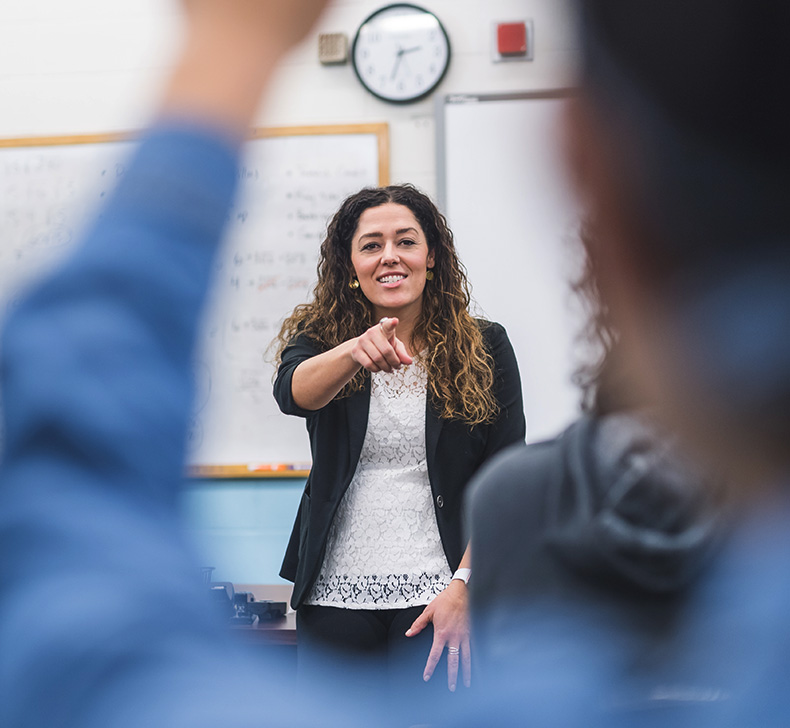
STOP! to stay safe online
These videos tell fictional stories about two people affected by fraud in different ways. One follows someone who is scammed after purchasing an item online that never arrives, while the other shows a girl who becomes involved in money muling.
Download the documents

Information for Good®.
Connect with us
